
BEHOLD.
(the art of looking deeper)
Welcome.
This is a place for the soul to find rest, for the heart to dance.
A place for marveling at the beauty and mystery of God’s kingdom in one hand while holding the pain and paradox of life in the other.
This is a space for questions that ache, for quiet wondering, for commonplace revelations.
Here, I will share my journey of uncovering the beautiful real nestled within everyday realities.
I’m so glad you’re here.

Earth's crammed with heaven,
And every common bush afire with God:
But only he who sees,
takes off his shoes…
-e.b. browning
Recent Posts
I’m excited to share my guest post about the Holy Spirit on The Hyphen, the Substack of the Redbud Writers Guild.
Here’s an excerpt:
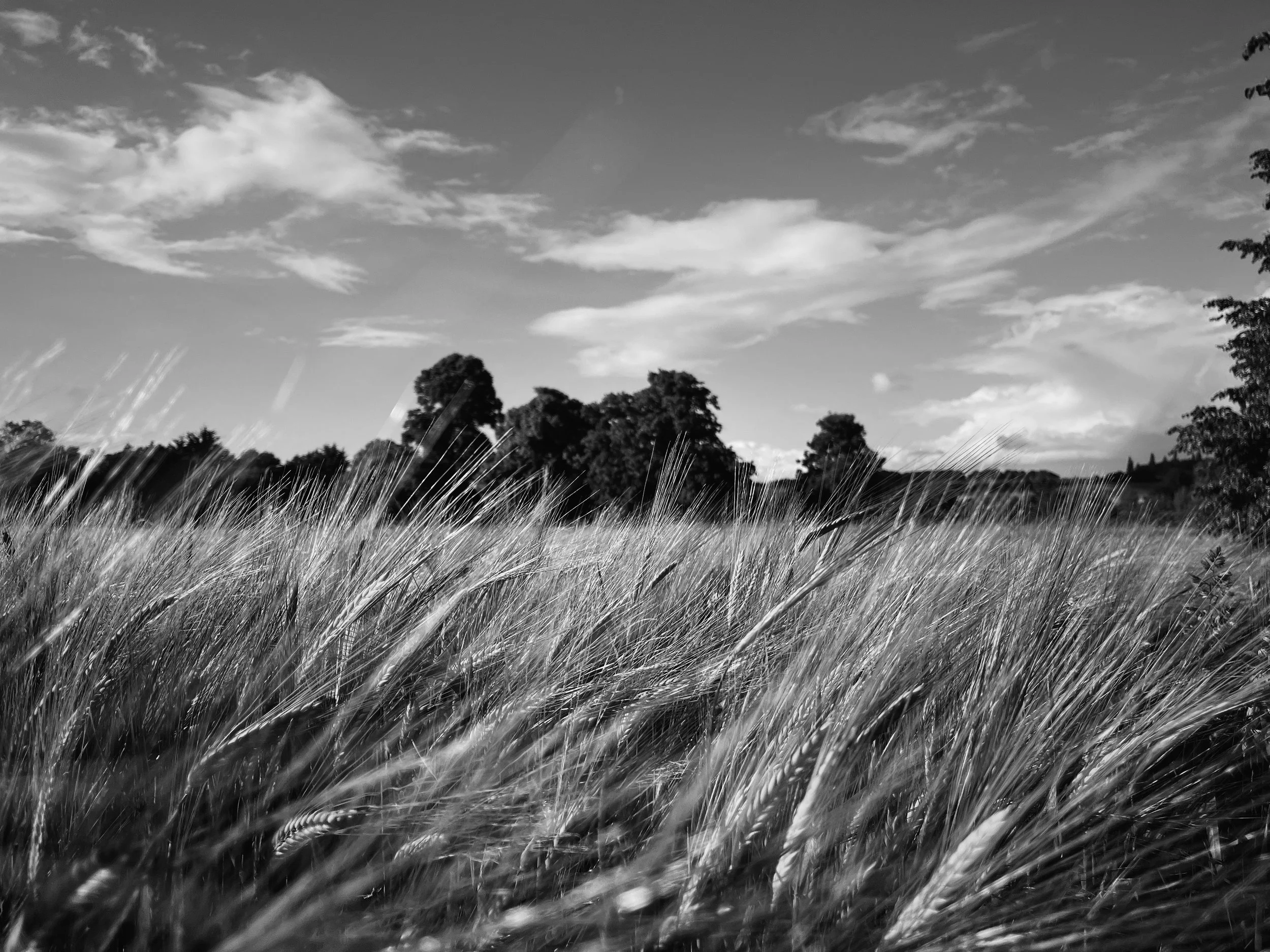
“What does it mean to be born of the Spirit? It is to be just as responsive to the moving and prompting of the Spirit as trees are to the wind—or, like fallen leaves of brilliant hue, to go wherever the wind takes us. Wind is unpredictable, often dangerous. It is invisible, impossible to take hold of, direct, or pin down long enough to see where it’s going next. . .”
“In what area of your life are you sensing a new beginning?” It was time for the final question my co-host Sarah and I have been asking each of our guests with the current podcast season we’re recording.
Her answer to our question resonated with me deeply. In her words, I received language for an invitation I’d been sensing, too, but didn’t know how to verbalize.
“I’m open to a new beginning in how I relate to God,” she said. . .
“I hate Lent,” one of my friends declared the week of Ash Wednesday. “My life is full of agony and suffering, and God wants me to do more of that?”
Just this week, another friend of mine cheekily signed his email with, “I’m giving up Lent for Lent.”
Both of these statements sounded reasonable to me, and here is why:
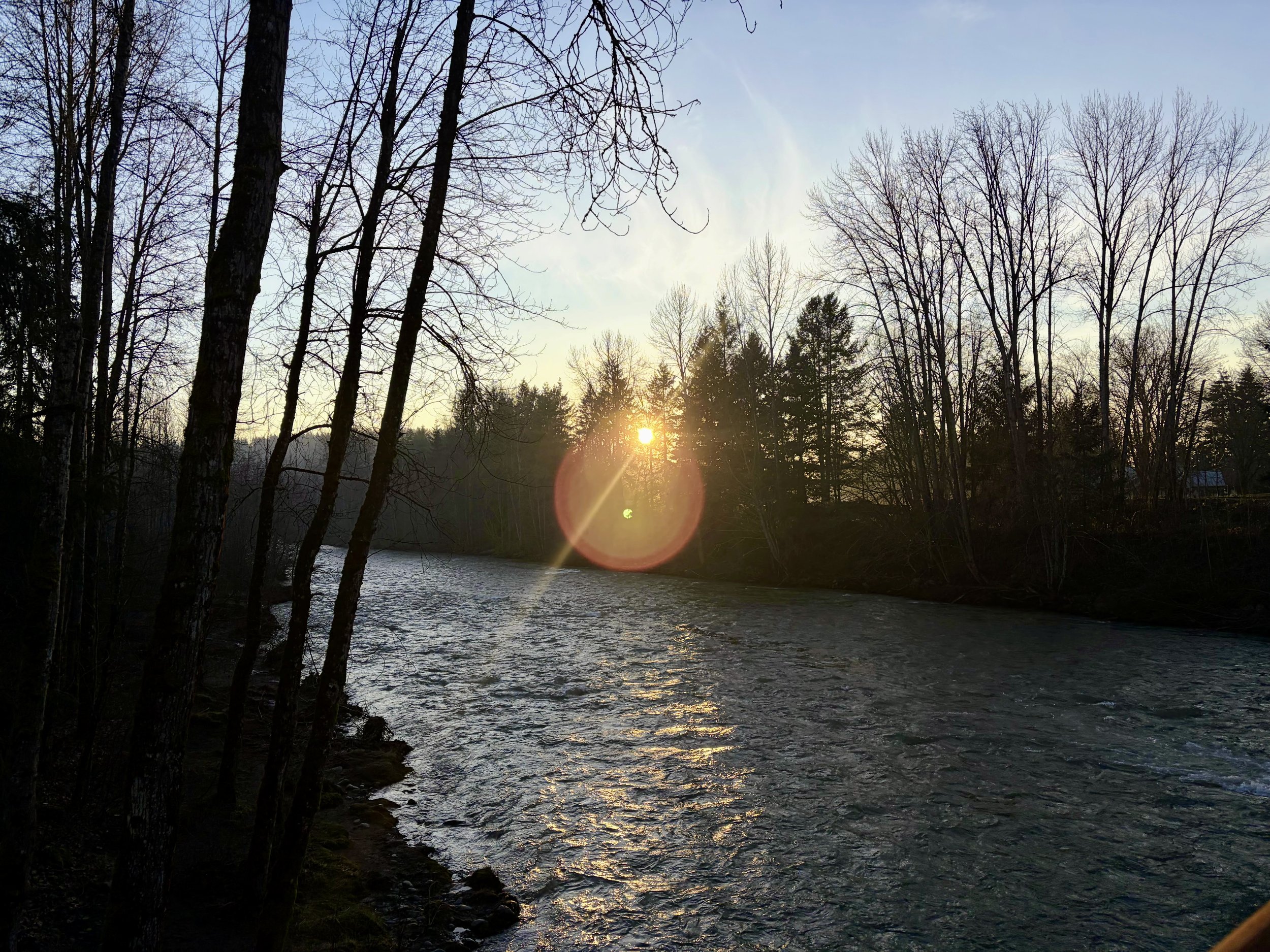
To enter into Jesus’ suffering more fully—which, if I am not mistaken, is our modern understanding of the purpose of Lent—requires us to enter the flooding river of God’s love more deeply, which is something many of us well-meaning penitents neglect to do this time of year. During Lent, I find it easier to try to impress God with proving just how humble and sacrificial I can be instead of engaging the love that led to Calvary. . .
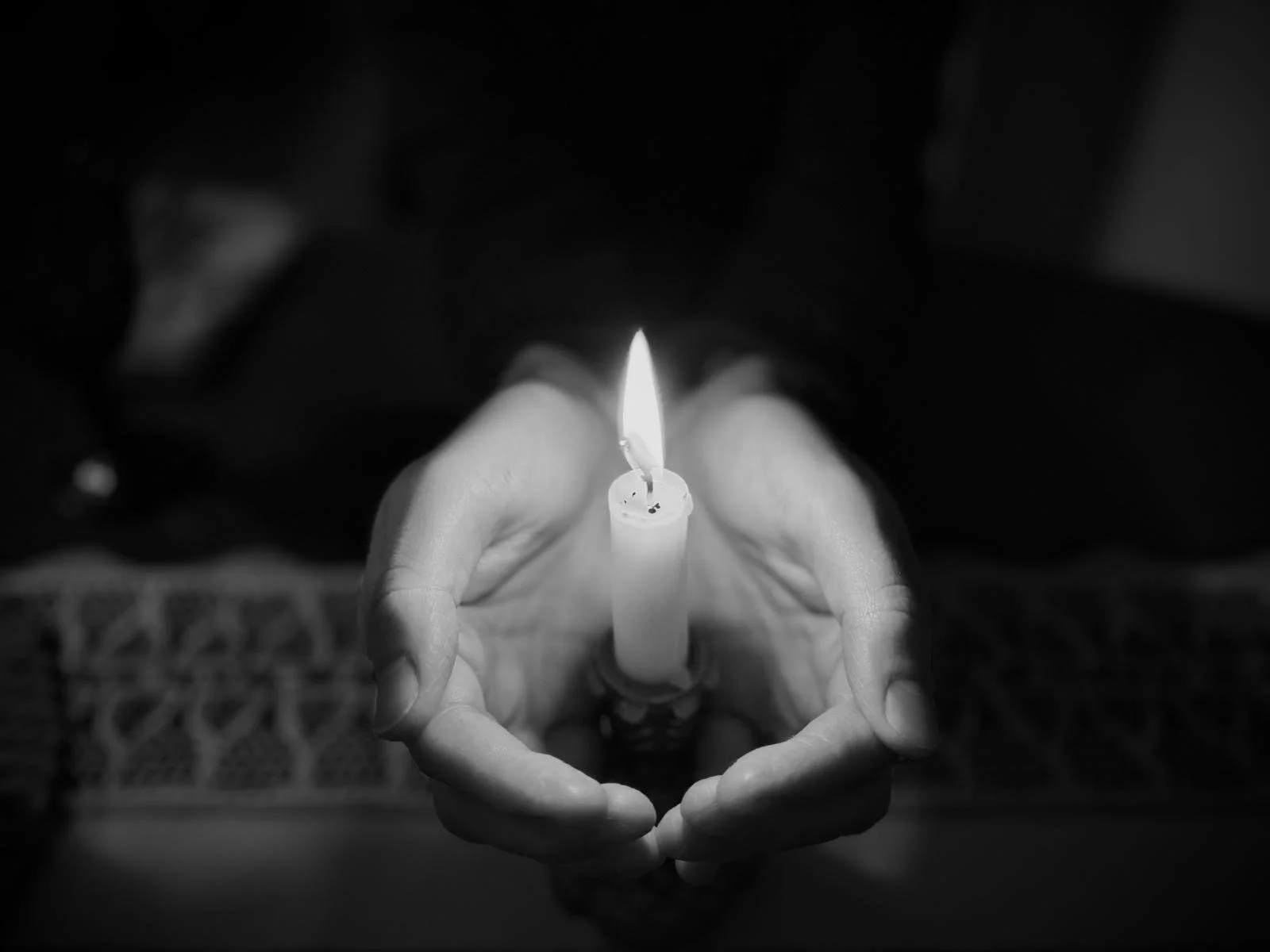
I began seeing ‘them’ in September. Let me assure you before you keep reading that this story is not going in the direction of The Sixth Sense—not quite. It was a sequence of numbers that kept reappearing when I was not looking for it: 444. I have at least fifteen screenshots of the times I casually picked up my phone and the time was 4:44. Drew and I experienced several instances of getting in his car only to find the number 4:44 flashing on the display board as soon as he turned the key. Sometimes, I’d notice those three numbers on the car clock during an important “conversation” with Drew at a stoplight (read: gentle argument related to my skills as a highly engaged passenger-seat driver). Each time, 4:44 was always the correct time, but still—what are the odds? . . .
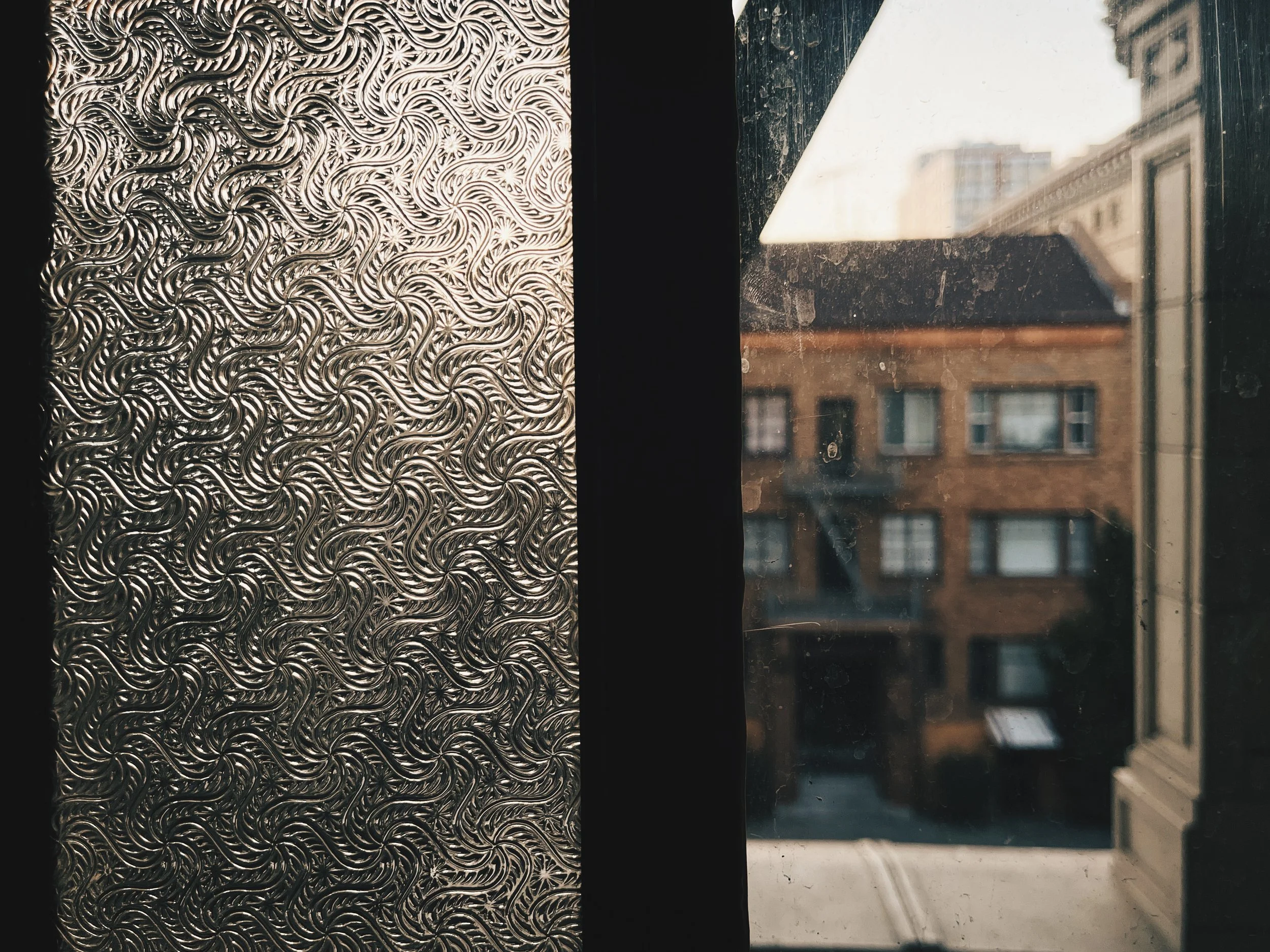
At first, I did not think this encounter mattered enough to write about. It is made of quite ordinary materials: a doctor’s lab order, my taking a ticket and waiting, an open door and my name being called searchingly—Katelyn?—across an empty waiting room, as if there were anyone else to choose from. But if what happens in the waiting rooms and routine appointments of our lives does not matter, then what does? The most profoundly ordinary moments of our lives can and will reveal something beautiful and unexpected—if we are paying attention.
So here it is, the story of how an encounter with a phlebotomist reminded me of my humanity. . .
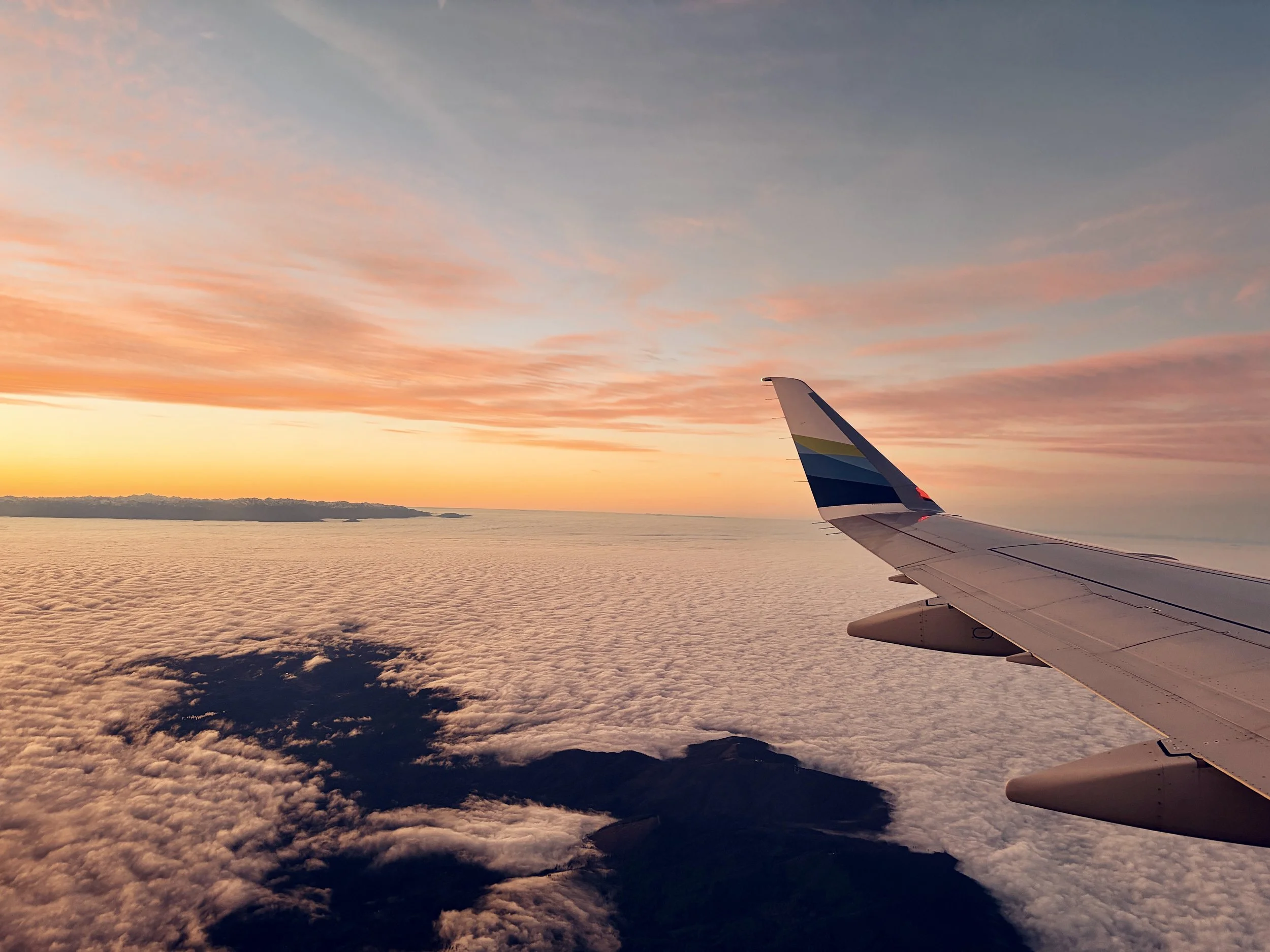
Ten days before my grandmother left, I sat wrapped in a blanket of pain, rigid in my yellow velvet arm chair that has not softened or settled into relaxed comfortability yet despite seven years’ worth of hard sitting and intentional trampling upon its resolutely fixed form. At the very least, the discomfort I feel when sitting in this disappointment of a chair keeps me awake enough to pray. The text from my Mom read,
Grammy has gone into the hospital. We don’t know what’s wrong. Please pray.
So I closed my eyes to pray, filled with the familiar grief-laced fear of losing her. The moment my eyes shut, I received a flash of a vision. . .
When my parents’ house burned down in 2020 (the perfect year for a house fire, come to think of it), their entire property became a charred and barren wasteland overnight. The fire was so devastating that nothing remained apart from some twisted metal pieces belonging to no-longer-identifiable household appliances. To add a dash of decency to the place, my Mother cheerfully forced bouquets of artificial flowers into the soil of large planters which once overflowed with greenery. Although the effect (from a distance) was admirable, those flowers were incomparable to the brilliant fuchsia geraniums which now bloom throughout the summer months. . .
It begins in Montana with my grandmother, as so many of my dearest and best stories do. Drew and I visited her several weeks ago, and each time we see her I come home exhausted—not because of who she is, but because of the energy and focus it takes to live in constant paradox when beholding her, holding her. At any given moment, I feel as though I could break down weeping with the anticipated grief of losing her or burst out laughing with the sheer joy of being in her presence. I love her; she is 90; any goodbye could be my last. This time, on the last morning we were with her, my grandmother’s eyes took on a mischievous glint as she pulled out a neon-colored machine from behind her couch. She positioned the machine just-so, and flipped a lever. . .

There was a time I believed God had left me. It was the second semester of my sophomore year of college that I first experienced a night so long, a darkness so deep, that I despaired of life itself. I prayed to the God I couldn’t feel, trust, or see to take me out of this world, because the mental and spiritual anguish was unbearable. It was only afterwards that I came to understand that this was a spiritual experience with a long history, something 16th century mystic St. John of the Cross termed “The Dark Night of the Soul.” For centuries, Christians who have tried to make sense of their very real felt experience of God’s absence have found solace in St. John’s work and ideas. Likewise, when I encountered his poetic treatises on darkness as a purgative vessel through which the soul ascends to a greater intimacy with God, I began to wonder if there was more to my experience of depression paired with ‘God’s absence’ than I originally thought. . .
I’m excited to share my guest post about the Holy Spirit on The Hyphen, the Substack of the Redbud Writers Guild.
Here’s an excerpt:
“What does it mean to be born of the Spirit? It is to be just as responsive to the moving and prompting of the Spirit as trees are to the wind—or, like fallen leaves of brilliant hue, to go wherever the wind takes us. Wind is unpredictable, often dangerous. It is invisible, impossible to take hold of, direct, or pin down long enough to see where it’s going next. . .”